

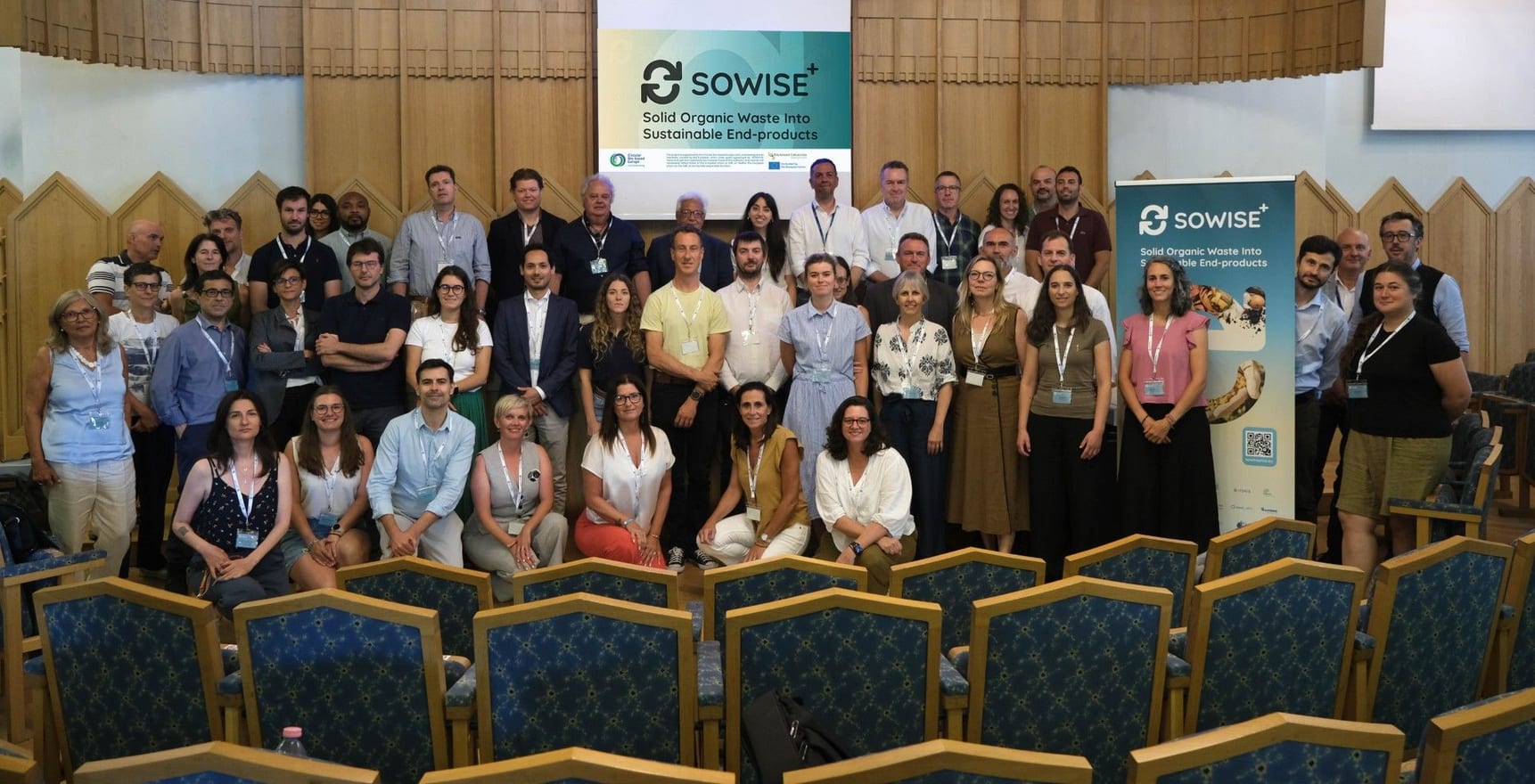
The SOWISE+ project has officially begun its five-year journey towards demonstrating how urban waste streams can be transformed into valuable bio-based materials through an innovative model of urban-industrial symbiosis.
In July 2026, the SOWISE+ consortium came together in Treviso, Italy, for a two-day Kick-off Meeting hosted at the Palazzo San Leonardo Great Hall / Campus Treviso of Università Ca’ Foscari Venezia.
The meeting marked the official start of SOWISE+ – Solid Organic Waste Into Sustainable End-products, bringing the project partners together to establish a shared vision, coordinate the technical approach and define the first steps towards the implementation of the project.
From urban waste to sustainable materials
Urban waste is one of Europe’s major circular economy challenges, but it also represents an important source of materials that can potentially be brought back into productive value chains.
SOWISE+ aims to demonstrate a first-of-its-kind multipurpose biorefinery capable of valorising two important urban waste streams:
- urban biowaste, which will be used for the production of the bio-based polymer PHBV;
- post-consumer Absorbent Hygiene Products (AHPs), from which high-quality cellulose will be recovered.
These materials will then support the development and validation of new bio-based products and applications.
The project therefore goes beyond waste treatment. Its ambition is to connect waste management, biotechnology, material science and industry, demonstrating how locally available waste streams can become resources for new circular value chains.
Building a shared roadmap for the flagship biorefinery
The Kick-off Meeting gave the consortium the opportunity to examine the full SOWISE+ concept and align the different scientific, technical, industrial and societal dimensions of the project.
During the two-day meeting, partners presented the project’s value chains and discussed the technical pathway that will lead to the development, start-up and operation of the SOWISE+ flagship plant.
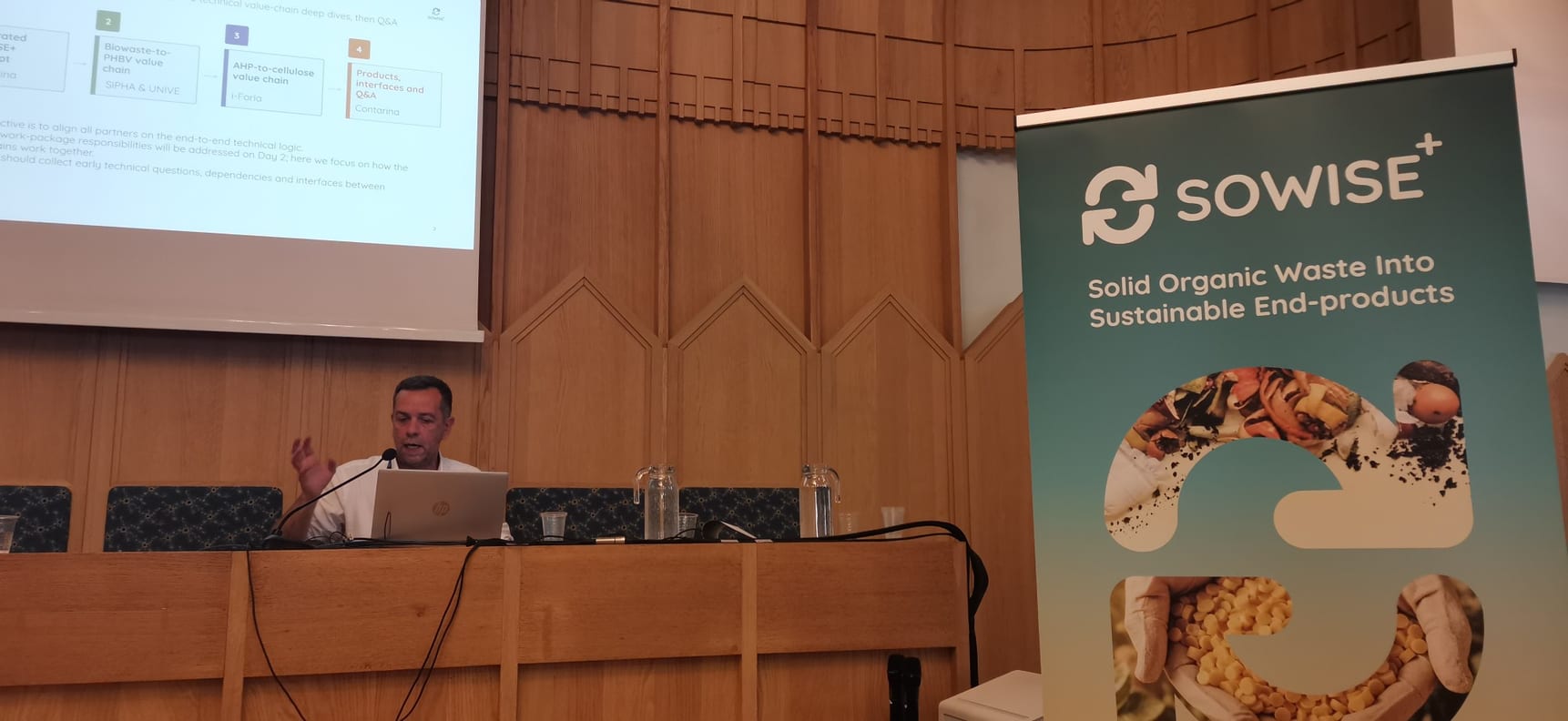
The consortium also reviewed the project’s Work Packages, covering key areas including:
- permitting, engineering and design;
- construction and operation of the flagship plant;
- PHBV and cellulose-based material production;
- product development and validation;
- sustainability assessment;
- stakeholder and citizen engagement;
- communication and dissemination;
- exploitation and replication;
- overall project management.
The discussions helped define responsibilities across the consortium and establish the foundations for the first implementation phase.
From project planning to the industrial environment
An important part of the Kick-off Meeting was bringing partners closer to the real industrial environment in which SOWISE+ will operate.
The consortium visited the Contarina plant in Trevignano and the i-Foria plant in Spresiano, gaining first-hand insight into the waste management infrastructure, technologies and operational context supporting the SOWISE+ value chains.
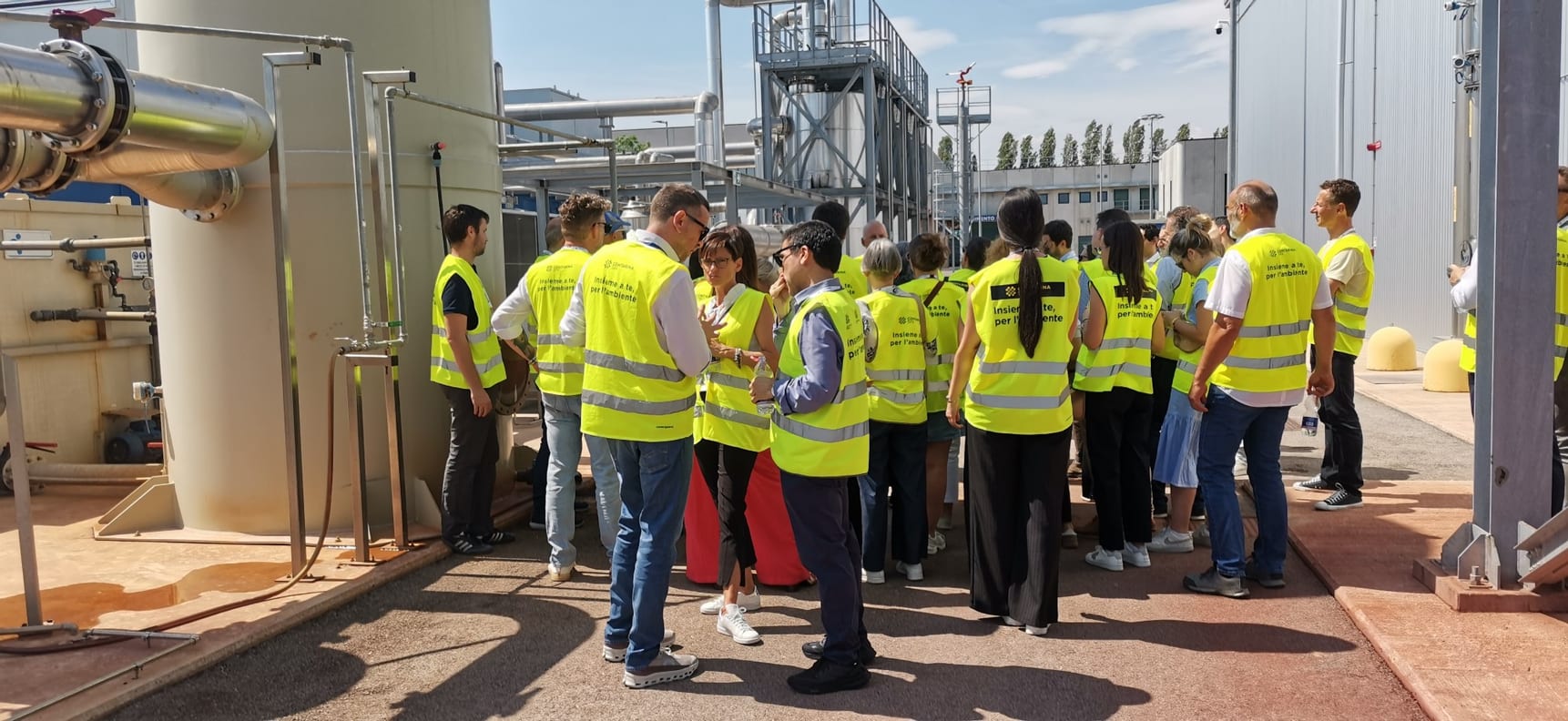
These visits provided an important connection between the project’s research and engineering activities and the real waste-management systems that will support its industrial demonstration.
CBE JU joins the launch of SOWISE+
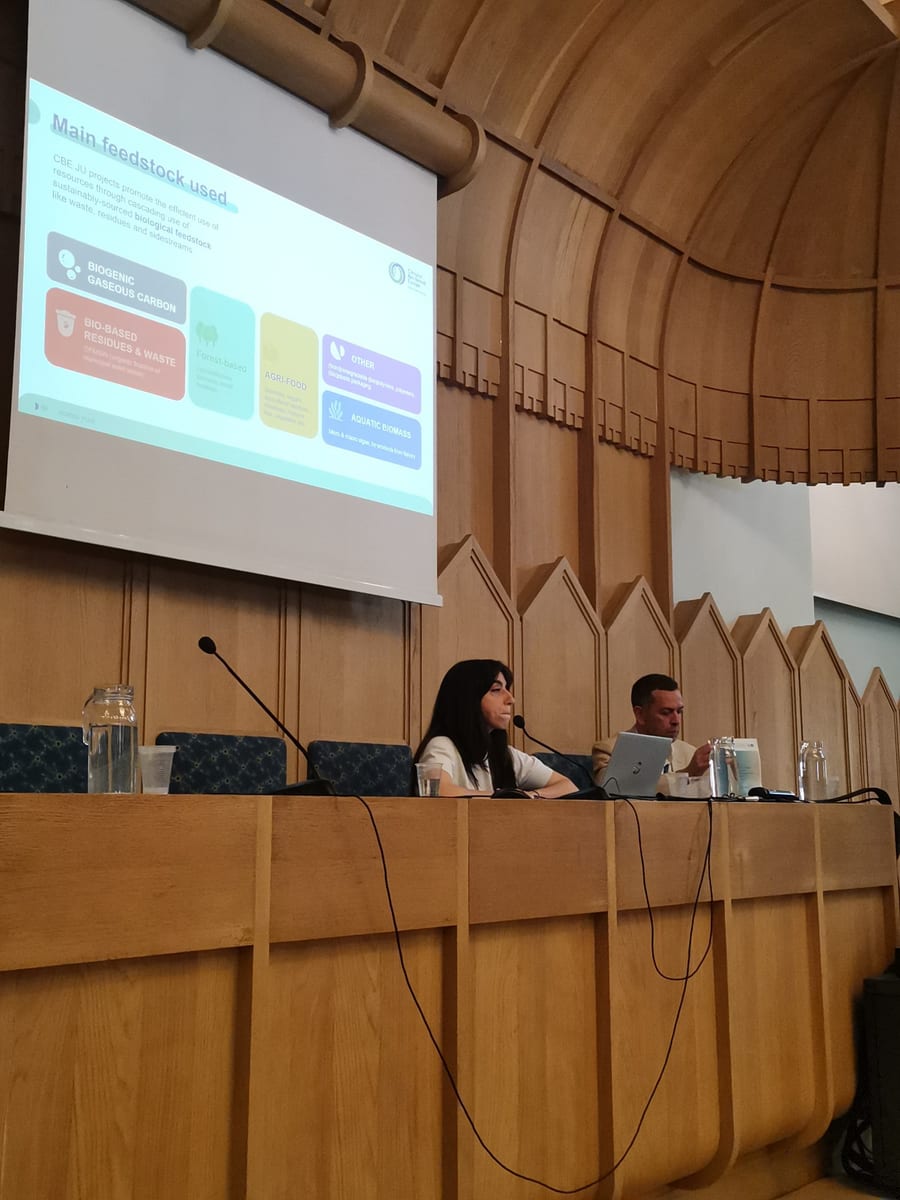
The programme also included an intervention by Paola Paiano, Project Officer at the Circular Bio-based Europe Joint Undertaking (CBE JU).
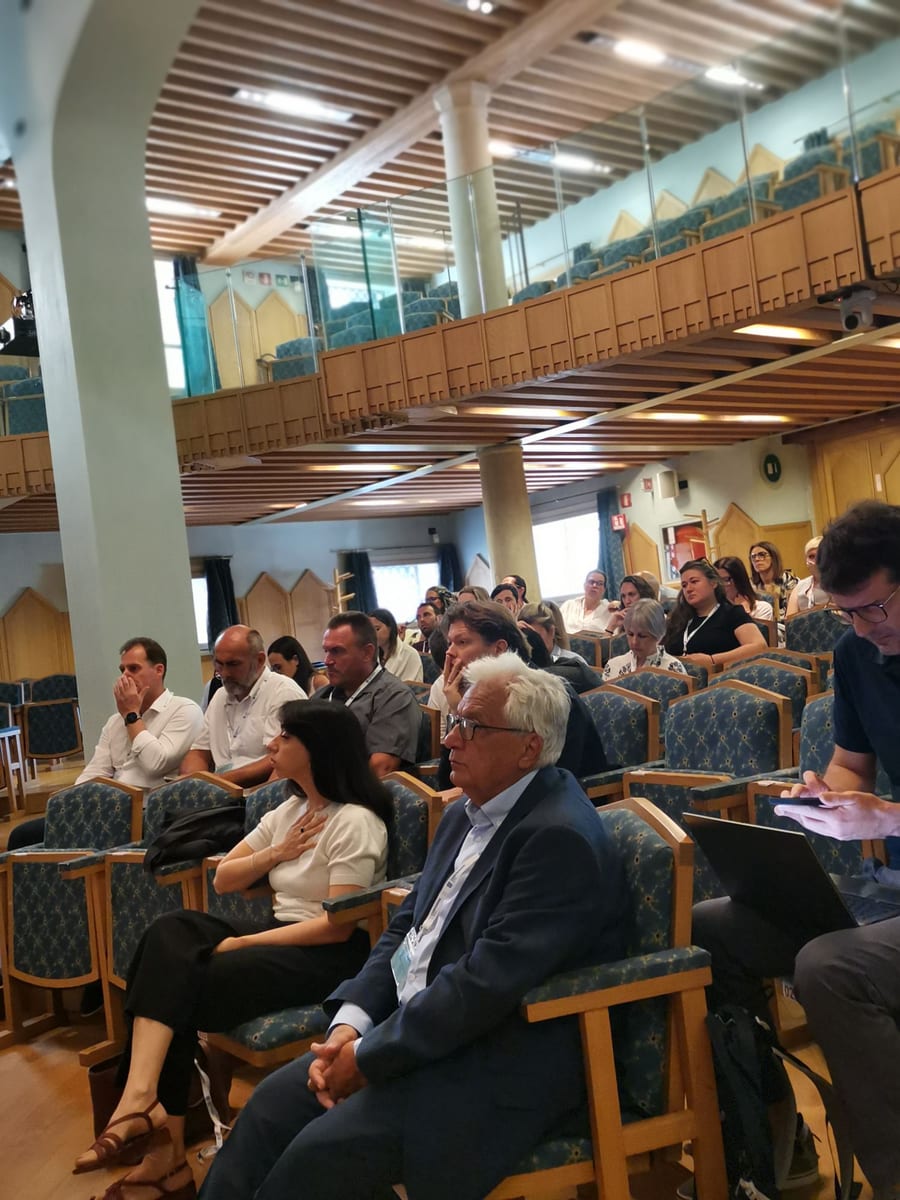
Dedicated sessions throughout the meeting addressed partner roles, the project’s technical concept and financing, creating a common understanding of the work ahead and the collaboration required across the consortium.
A model for urban-industrial symbiosis
At the centre of SOWISE+ is the concept of urban-industrial symbiosis: creating stronger connections between urban waste-management systems and industrial production.
Instead of considering urban waste streams only as materials that need to be treated or disposed of, SOWISE+ will explore how they can become the starting point for new bio-based value chains.
The project will work to scale up PHBV production from urban biowaste, integrate the recovery of cellulose from used AHPs, and develop and validate materials and products based on these resources.
Safety, sustainability and circularity will also be assessed through approaches including Life Cycle Sustainability Assessment (LCSA) and Safe and Sustainable by Design (SSbD). At the same time, stakeholders, citizens, waste operators, industry and policy actors will be involved to support social acceptance and the long-term uptake of the solutions developed.
From Treviso to the next phase of implementation
With the Kick-off Meeting completed, the SOWISE+ consortium is moving into its first implementation phase.
The next activities include permitting, engineering and design of the flagship plant, development of the project’s communication and dissemination strategy, stakeholder mapping and sustainability scoping.
Partners will also begin the technical preparation required for future scale-up and validation activities, while building the SOWISE+ stakeholder community and establishing synergies with other relevant European initiatives.
Exploitation and replication will be considered from the early stages of the project, helping prepare the foundations for transferring the SOWISE+ approach beyond the initial demonstration context.
The Kick-off Meeting in Treviso therefore represented more than the formal beginning of a European project. It established the collaborative framework through which SOWISE+ will work over the coming years to demonstrate how urban waste can be transformed into sustainable materials and new value for the circular bioeconomy.
Follow the SOWISE+ journey as the project moves from engineering and design towards industrial demonstration, product development and replication across Europe.